
The healthcare industry is undergoing a dramatic transformation.
With technology reshaping how medical services are delivered, global healthcare systems are moving toward more efficient, patient-centered, and digitally integrated models.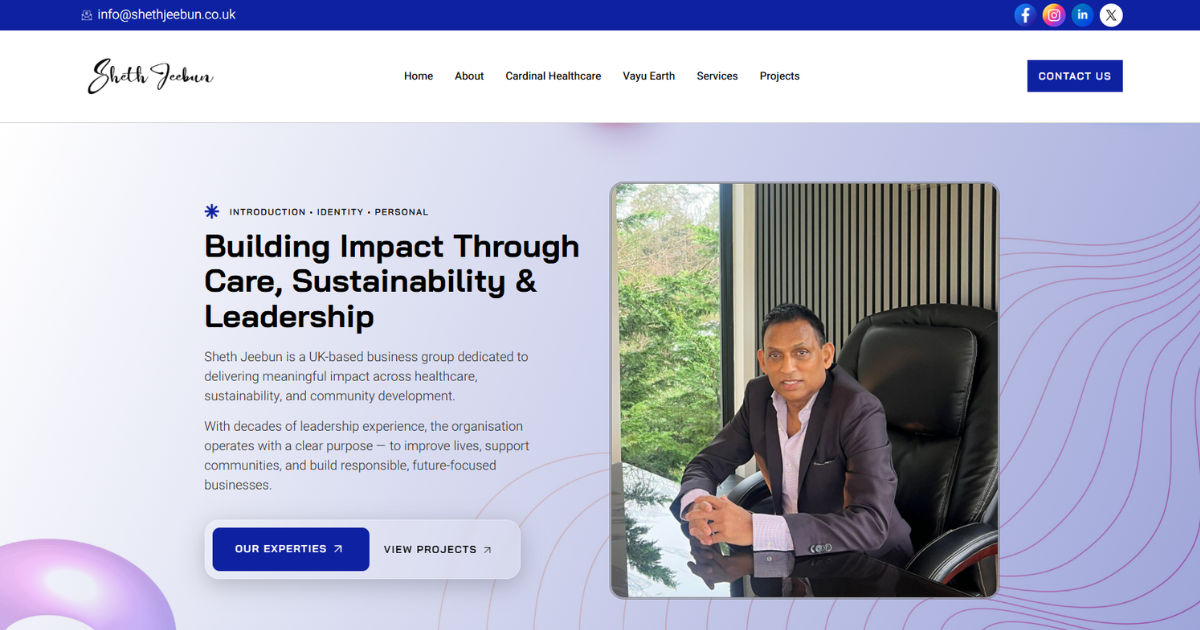
Understanding these shifts is essential for both professionals and the public.
In this guide, we explore how healthcare systems worldwide are evolving, the challenges and opportunities in the digital era, and how leadership in elderly care, such as Sheth Jeebun elderly care leadership, is adapting to these changes.
The Digital Transformation of Healthcare
Digital technology has become the backbone of modern healthcare systems. From electronic medical records (EMRs) to telemedicine, digital tools are making care more accessible, personalized, and data-driven. Countries are leveraging digital innovations to streamline workflows, reduce costs, and improve patient outcomes.
Electronic Health Records
Electronic Health Records have revolutionized the way patient information is managed. EMRs store patient history, lab results, medications, and treatment plans in digital form, allowing healthcare providers to access and update information in real-time.
Advantages of EMRs include:
- Reduced paperwork and administrative burden
- Enhanced coordination between healthcare providers
- Improved accuracy of patient data
By integrating EMRs, healthcare systems are laying the foundation for more advanced technologies like predictive analytics and AI-driven diagnostics.
Telemedicine and Remote Care
Telemedicine has emerged as a critical tool, especially during global crises like the COVID-19 pandemic. Patients can now consult doctors remotely using video calls, apps, or online platforms.
Benefits of telemedicine include:
- Reducing patient travel and wait times
- Expanding access to healthcare in rural or underserved regions
- Enabling continuous monitoring of chronic conditions
Telemedicine also supports elderly care, where leaders like Sheth Jeebun elderly care leadership have embraced virtual consultations to ensure seniors receive timely medical attention.
Artificial Intelligence in Healthcare
Artificial Intelligence (AI) is transforming diagnosis, treatment planning, and patient monitoring. AI algorithms can analyze large datasets to detect patterns, predict disease outbreaks, and suggest personalized treatment options.
Examples include:
- AI-assisted imaging for faster and more accurate diagnosis
- Predictive analytics for hospital resource management
- Virtual assistants to provide patient guidance and reminders
By adopting AI, healthcare systems are not only improving efficiency but also enhancing patient outcomes globally.
The Role of Big Data in Healthcare
Big data analytics is another driving force in the digital transformation of healthcare. By analyzing vast amounts of patient data, healthcare providers can identify trends, improve decision-making, and predict public health challenges.
Benefits of Big Data
- Early Disease Detection – Analyzing population health data can help predict outbreaks or identify high-risk groups.
- Personalized Medicine – Treatment plans can be customized based on a patient’s genetic, lifestyle, and medical history data.
- Operational Efficiency – Hospitals can optimize staffing, reduce waiting times, and manage supply chains more effectively.
Digital tools allow healthcare systems to move from reactive care to proactive and preventive care, enhancing overall public health.
Integration of Wearable Technology
Wearable devices like smartwatches, fitness trackers, and medical sensors are becoming essential in modern healthcare. These devices continuously monitor heart rate, blood pressure, glucose levels, and other vital signs.
Advantages of Wearables
- Real-time health monitoring for early intervention
- Data-driven insights for doctors to adjust treatment plans
- Encouraging patients to maintain healthier lifestyles
Elderly patients, in particular, benefit from wearables as part of comprehensive care programs led by initiatives like Sheth Jeebun elderly care leadership, which ensures monitoring without intrusive hospital visits.
Telehealth in Rural and Underserved Areas
One of the most significant benefits of digital healthcare is its ability to reach remote populations. Rural communities often face challenges like fewer hospitals, limited specialists, and long travel times.
Digital solutions that address these challenges include:
- Telemedicine consultations
- Mobile health clinics equipped with digital tools
- Remote monitoring of chronic diseases
By leveraging technology, global healthcare systems are bridging the gap between urban and rural healthcare access.
Blockchain Technology in Healthcare
Blockchain technology, known for its security and transparency, is increasingly being applied in healthcare. Blockchain can protect patient data, reduce fraud, and enable secure sharing of medical records between providers.
Benefits include:
- Immutable patient records
- Enhanced privacy and data security
- Streamlined medical billing and insurance claims
This technology ensures that patient data remains safe while enabling seamless coordination among healthcare providers worldwide.
The Rise of Personalized Medicine
Personalized medicine is no longer a futuristic concept—it’s becoming standard practice in many healthcare systems. By analyzing a patient’s genetic makeup, lifestyle, and environmental factors, healthcare providers can create customized treatment plans.
Advantages of personalized medicine:
- Targeted therapies that increase effectiveness
- Reduced side effects and complications
- Optimized preventive care strategies
This approach complements digital tools like AI and big data, providing a holistic view of patient health.
Challenges in Digital Healthcare Transformation
While digital technologies offer numerous benefits, healthcare systems face several challenges in their adoption.
Data Privacy and Security
With increasing digitalization, patient data becomes vulnerable to cyberattacks. Healthcare organizations must implement robust security measures to protect sensitive information.
Technology Adoption
Resistance to change can slow down the implementation of digital tools. Training healthcare professionals and patients to use new technologies effectively is essential for success.
Regulatory Compliance
Digital health technologies must comply with local and international regulations regarding patient privacy, medical device standards, and data management. Navigating these rules can be complex.
Leadership in Elderly Care
Elderly populations often have unique healthcare needs. Effective leadership is crucial to ensure seniors receive high-quality care. Programs like Sheth Jeebun elderly care leadership exemplify how digital tools can improve elderly healthcare services.
Key strategies include:
- Implementing telemedicine for remote consultations
- Using wearable devices to monitor health continuously
- Providing digital platforms for care coordination among family and healthcare professionals
Leaders in elderly care ensure that technological advancements are patient-centric, ethical, and accessible to seniors who may have limited tech experience.
Global Trends in Healthcare Digitalization
Healthcare systems worldwide are evolving with several notable trends:
- Smart Hospitals – Hospitals using IoT devices, automated workflows, and AI-driven operations.
- Virtual Health Assistants – Chatbots and AI assistants providing patient guidance and reminders.
- Predictive Healthcare – Using AI to predict disease outbreaks and individual health risks.
- Remote Patient Monitoring – Continuous health tracking outside traditional hospital settings.
These trends highlight the shift toward efficiency, accessibility, and patient empowerment in global healthcare systems.
The Impact of COVID-19 on Digital Healthcare
The COVID-19 pandemic accelerated digital adoption in healthcare. Telemedicine usage skyrocketed, hospitals embraced remote monitoring, and AI-assisted diagnostics became critical.
Key takeaways include:
- Rapid adaptation to digital platforms saved resources and lives
- Digital tools enabled continuity of care despite lockdowns
- Public awareness of digital health solutions increased significantly
The pandemic demonstrated that digital healthcare is not just a convenience—it’s a necessity for resilient healthcare systems.
Future of Global Healthcare in the Digital Era
The future of healthcare will likely be defined by continued digital integration. We can expect:
- Greater use of AI and machine learning for diagnostics
- Expansion of wearable and remote monitoring devices
- Enhanced patient data analytics for predictive healthcare
- Increased focus on telehealth in underserved regions
- Improved elderly care through targeted leadership initiatives like Sheth Jeebun elderly care leadership
These advancements promise a more efficient, equitable, and patient-focused global healthcare system.
Conclusion
The digital era is reshaping global healthcare systems, making them more efficient, accessible, and patient-centered. Technologies like EMRs, telemedicine, AI, big data, wearables, and blockchain are driving this transformation. Challenges such as data privacy, technology adoption, and regulatory compliance must be addressed to realize the full potential of digital healthcare.
Leadership in elderly care, exemplified by Sheth Jeebun elderly care leadership, plays a pivotal role in ensuring seniors benefit from these digital advancements. By integrating technology with compassionate care, healthcare providers can improve outcomes, reduce costs, and create a more inclusive system for all populations.
As global healthcare continues to evolve, embracing digital tools and innovative strategies will be essential for building resilient, efficient, and equitable health systems.